Understanding Ocular Melanoma: A Rare Cancer That Begins in the Eye
Recognizing Melanoma Awareness Month
When most people hear the word melanoma, they think of skin cancer. However, melanoma can also develop inside the eye — a rare condition known as ocular melanoma, or uveal melanoma.
Although it is considered rare, ocular melanoma is the most common primary eye cancer in adults. Because of its rarity, many patients are unfamiliar with the disease before receiving a diagnosis, making awareness and education especially important.
What Is Ocular Melanoma?
Ocular melanoma develops from pigment-producing cells within the eye, most commonly in the uvea, which includes structures such as the choroid, iris, and ciliary body. In many cases, the condition may not cause pain, and symptoms can vary from person to person.
Some patients may notice:
- Blurred or distorted vision
- Flashes or floaters
- Visual field changes
- A shadow or dark spot in vision
Others may have no symptoms at all.
Because ocular melanoma is uncommon, diagnosis and treatment often require highly specialized care and long-term monitoring.
Specialized Ocular Oncology Care at Tennessee Retina
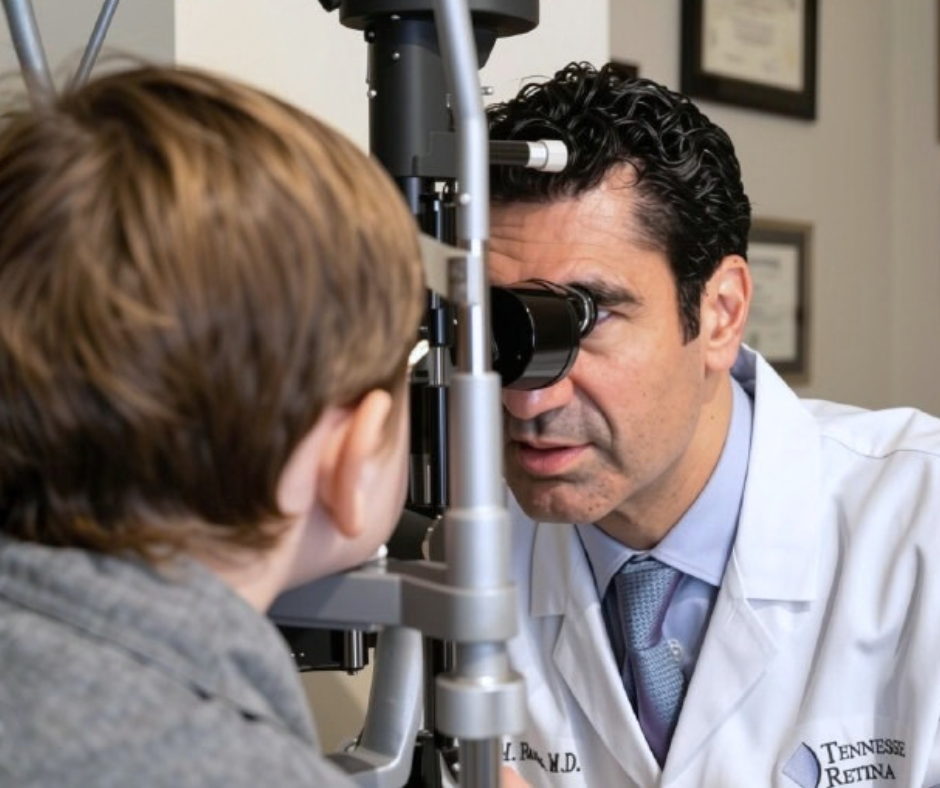
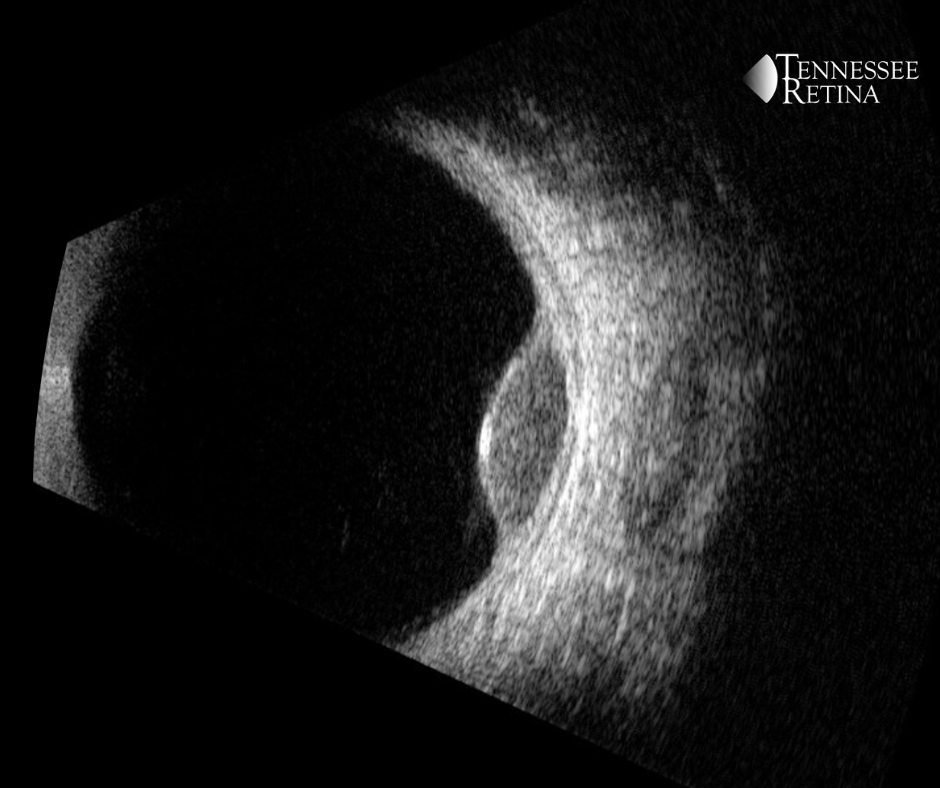
At Tennessee Retina, our Ocular Oncology team provides comprehensive care for patients facing ocular melanoma and other ocular tumors. Managing these conditions involves advanced imaging, careful evaluation, individualized treatment planning, and ongoing collaboration with specialists dedicated to improving patient outcomes.
Our team works closely with patients throughout every stage of care, helping them navigate both the medical and emotional challenges that can come with a rare diagnosis.
Why Research and Awareness Matter
One of the greatest challenges surrounding ocular melanoma is the limited availability of treatment options for metastatic disease. Because the condition is rare, research funding and awareness efforts remain critically important.
Organizations such as the Eye on Grace Foundation and A Cure In Sight play an essential role in supporting patients and families, funding research initiatives, and increasing public awareness of ocular melanoma.
Their work helps bring visibility to a disease many people have never heard of while supporting progress toward better treatments and outcomes for patients in the future.
During Melanoma Awareness Month, we recognize the patients, families, physicians, researchers, advocates, and organizations working to advance education, research, and care for the ocular melanoma community.
By increasing awareness and supporting ongoing research efforts, we can continue moving toward greater understanding, earlier diagnosis, and improved treatment options for those affected by this rare disease.
Learn more:
- Eye on Grace Foundation: eyeongracefoundation.org
- A Cure In Sight: acureinsight.org