Healthy Vision Month 2026

Why Your Family History Matters for Your Eye Health
May is Healthy Vision Month, a perfect time to reflect on how we care for our eyes and take steps to protect our long-term vision. When we think about eye health, we often focus on habits like limiting screen time, eating well, and scheduling regular eye exams. While all of these are important, there’s another key factor that is often overlooked: your family history.
The Hidden Influence of Family History
Your eye health is not just about your current habits; it’s also part of your genetic story. Many serious eye conditions, including macular degeneration, glaucoma, and even certain types of cataracts, can run in families. What makes these conditions particularly concerning is that they often develop slowly and without noticeable symptoms in the early stages.
This means you could be at risk without even realizing it. By the time symptoms appear, the condition may already be more advanced and harder to manage. That’s why understanding your family history is such a powerful tool, it helps identify risks before they become problems.
Why Early Detection Is So Important
Early detection is one of the most effective ways to preserve your vision. When eye conditions are identified early, there are often more treatment options available, and progression can sometimes be slowed or even prevented.
Macular degeneration, may not affect your vision right away, but catching it early allows for better monitoring and care.
Inherited conditions can sometimes be managed more effectively when doctors know your risk factors in advance.
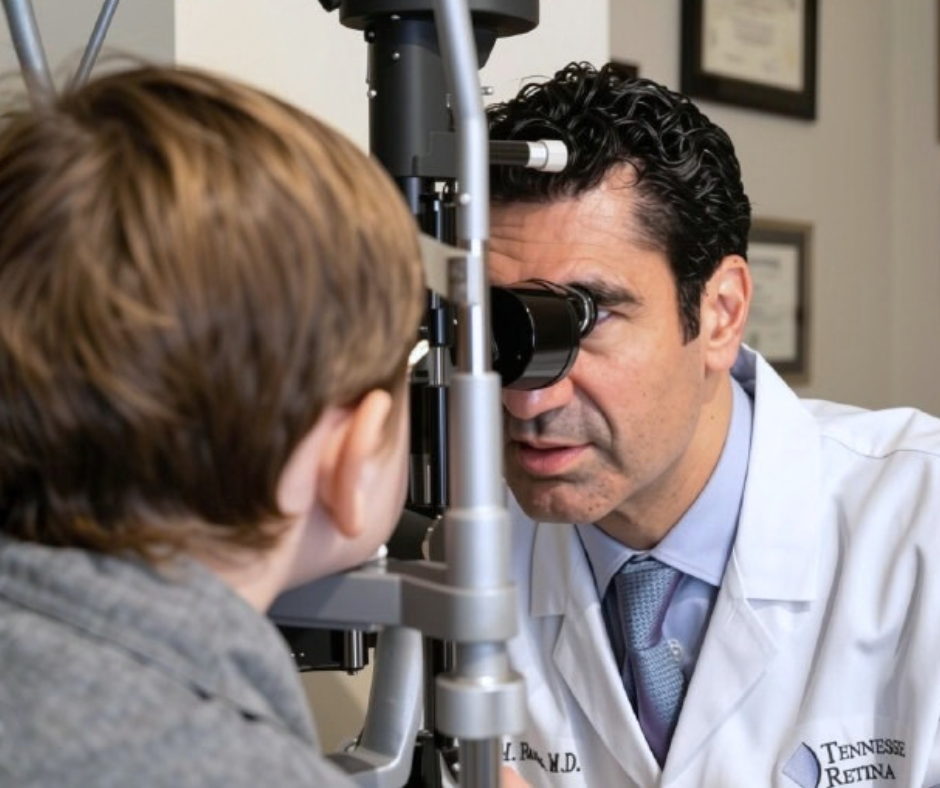
By sharing your family history with your eye care provider, you provide valuable insight that helps guide screenings, testing, and personalized care.
Starting the Conversation
Talking about family medical history might feel like a small step, but it can make a big difference. Consider asking your parents, grandparents, or other relatives questions like:
- Have you ever been diagnosed with an eye condition?
- At what age did you start noticing vision changes?
- Do you have a history of glaucoma, macular degeneration, or retinal issues?
Simple Steps to Protect Your Vision
In addition to learning about your family history, there are a few simple ways you can support your eye health every day:
- Schedule regular comprehensive eye exams
- Wear sunglasses that protect against UV rays
- Maintain a balanced, nutrient-rich diet
- Take breaks from screens to reduce eye strain
- Follow your eye doctor’s recommendations for corrective lenses
This month, we encourage you to prioritize preventive care, start meaningful conversations with your family, and take simple steps toward long-term eye health. Because when it comes to your eyes, clear vision starts with knowing your story.